Warning: A significant amount of the trivia on this page was written with an AI machine translation. This means that it may contain misinformation caused by mistranslations, awkward and misleading wording, and/or an excessive amount of detail. For more information, see this page. The Ultraman Wiki appreciates your help in rewriting, reducing and correcting machine translated content.
This episode marks the debut of the series' second ending theme, ULTRA HIGH.
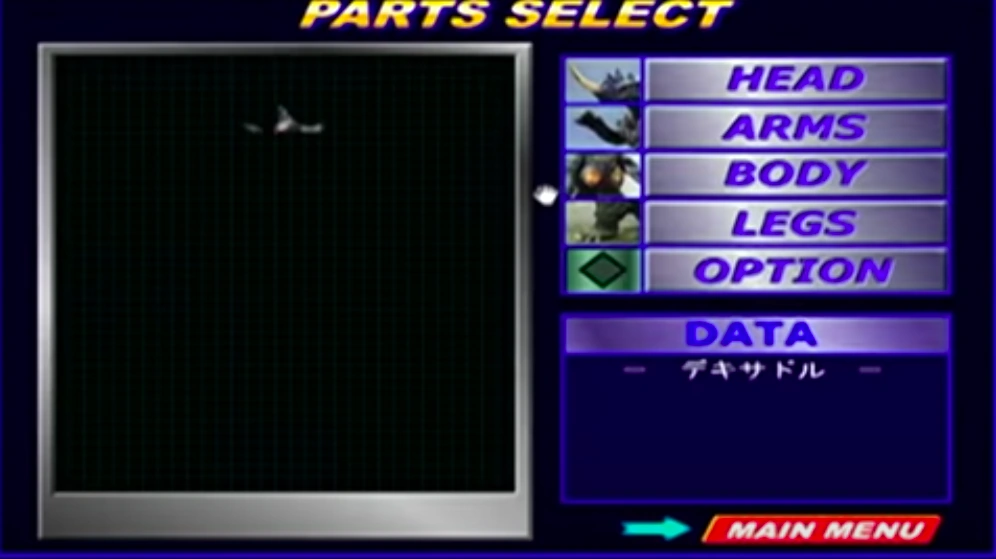
When Mai is explaning the game to Asuka, Ryo and Nakajima while on the parts select screen, the head of Gymaira can be seen on the "Head" selection, the body of Zetton II can be seen on the "Body" selection, the arm of Crescent in the "Arms" selection and the leg of Seagorath in the "Legs" selection.
Under the menu for the "Head" selection is Cowra's horns (used on Dexador) as well as horn options named "Black7", "Tajika", "Fire ą" and "Gold b" and fang options named "Wolfy", "Fdogs", "B-King", "Oni b4" (used on Dexador) and "Dragon".
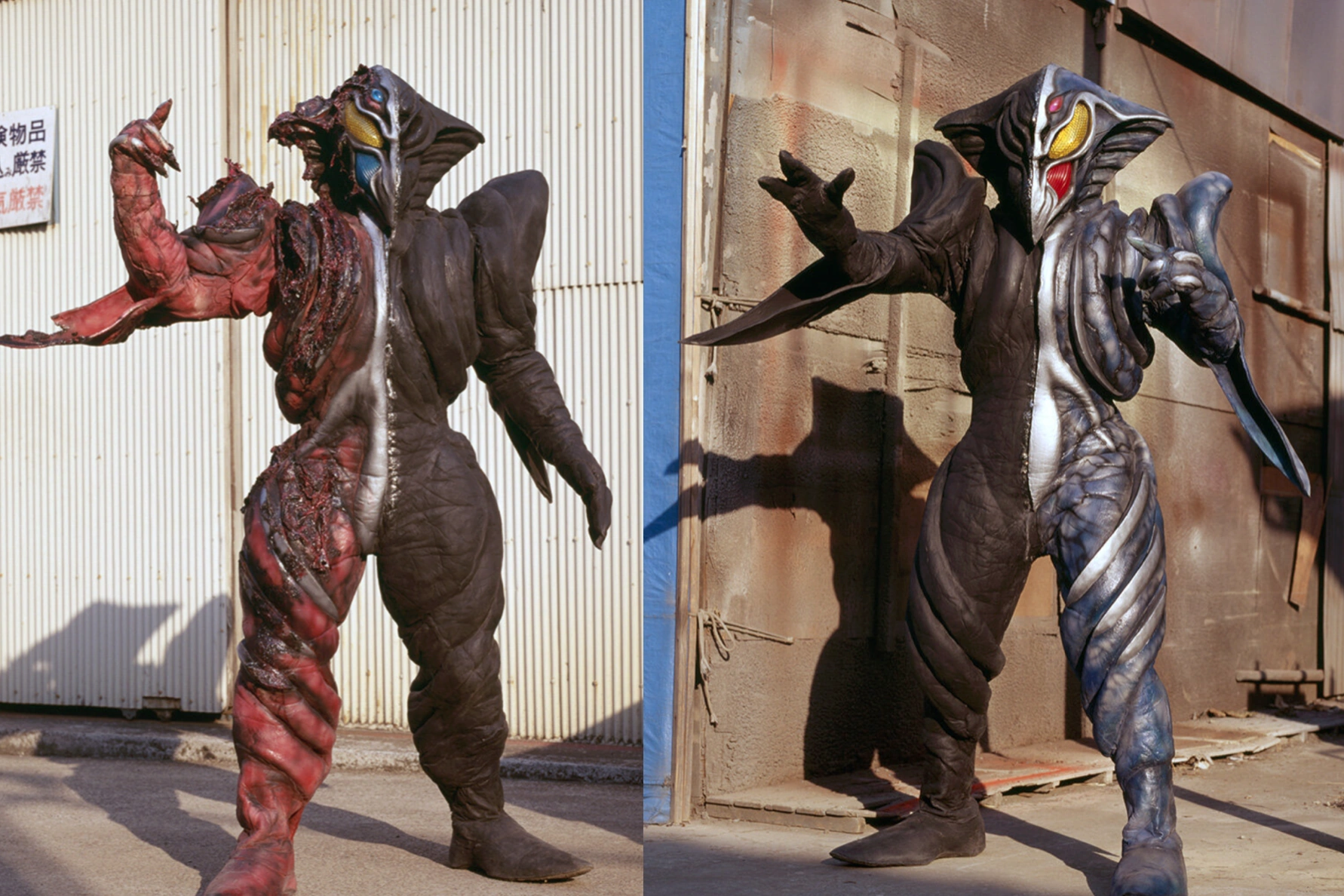
Alien Chern was initially planned to be a central character for the following storyline, but due to various reasons, this concept was eventually scrapped, and the alien appeared only once in the episode.
According to screenwriter Shin Yoshida, he believed that this plot could evoke certain elements of Ultraman Dyna that were influenced by Toei's tokusatsu style. He further revealed that he is a game enthusiast and had considered whether it would be possible to create a complete story based on a similar theme.[2]
Originally, the design for Alien Chern aimed to present a powerful figure, but during the final discussions, it was decided that the characters would meet their end in a "death-like" manner. Yoshida admitted that he had initially envisioned these characters to be slow-moving, similar to the two characters from Of Mice and Men. In the early drafts, these characters were even intended to become giant cosmic creatures. However, the final outcome altered these ideas, and after numerous discussions with the director, they decided to make their deaths more ambiguous, leaving room for multiple interpretations in the conclusion.
Takashi Kodama explained that he did not want to reduce the "Monster Game" battles to just the usual "punches" and "kicks" found in fighting games. Therefore, he incorporated a subplot of a child playing a video game, to reflect the playful, game-like entertainment aspect.
To emphasize the characters' strength, Kodama even requested that the destruction of buildings in the scenes be exaggerated by ten times. The director believed that this approach would make it easier for children to engage with the story.